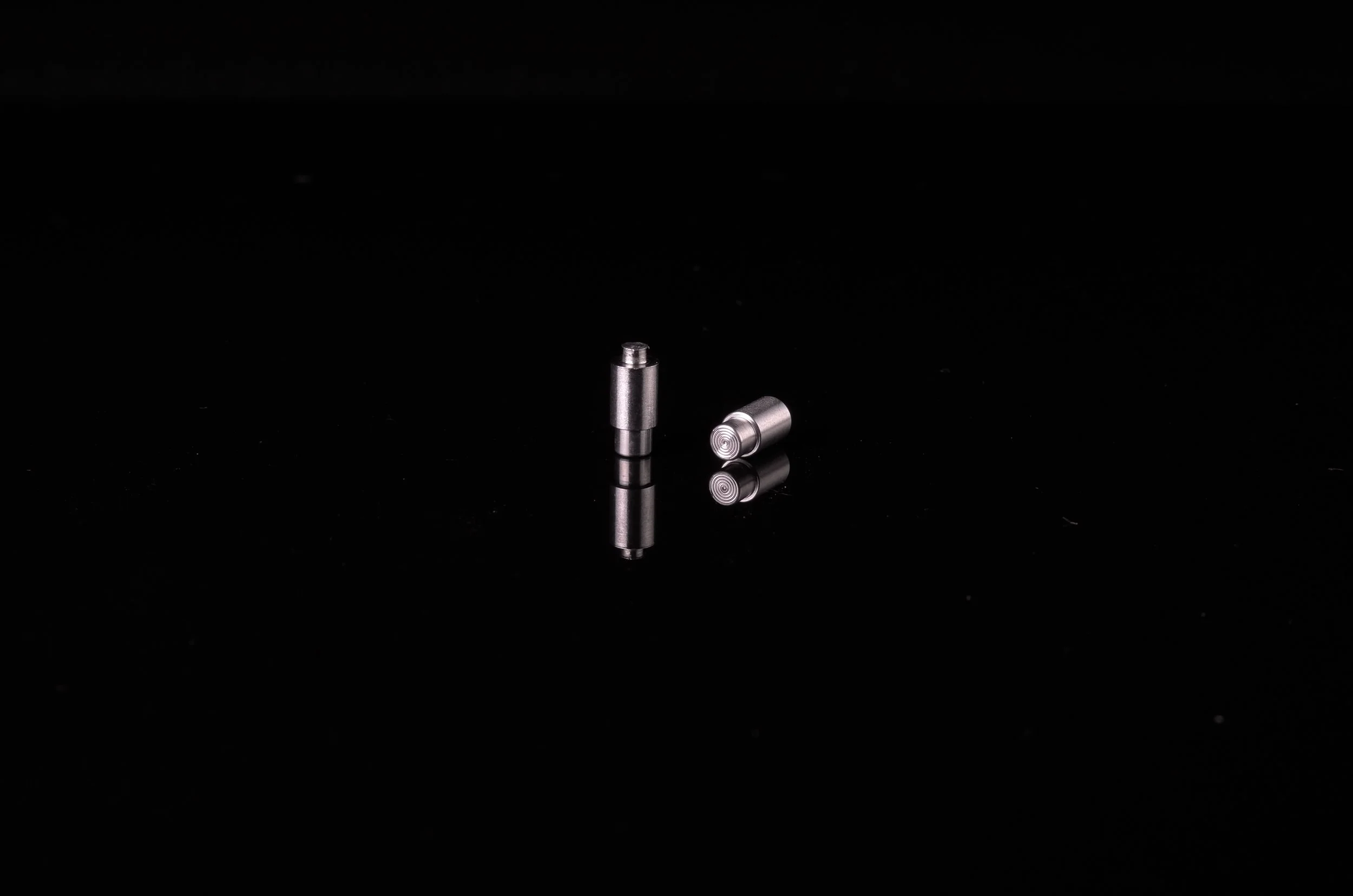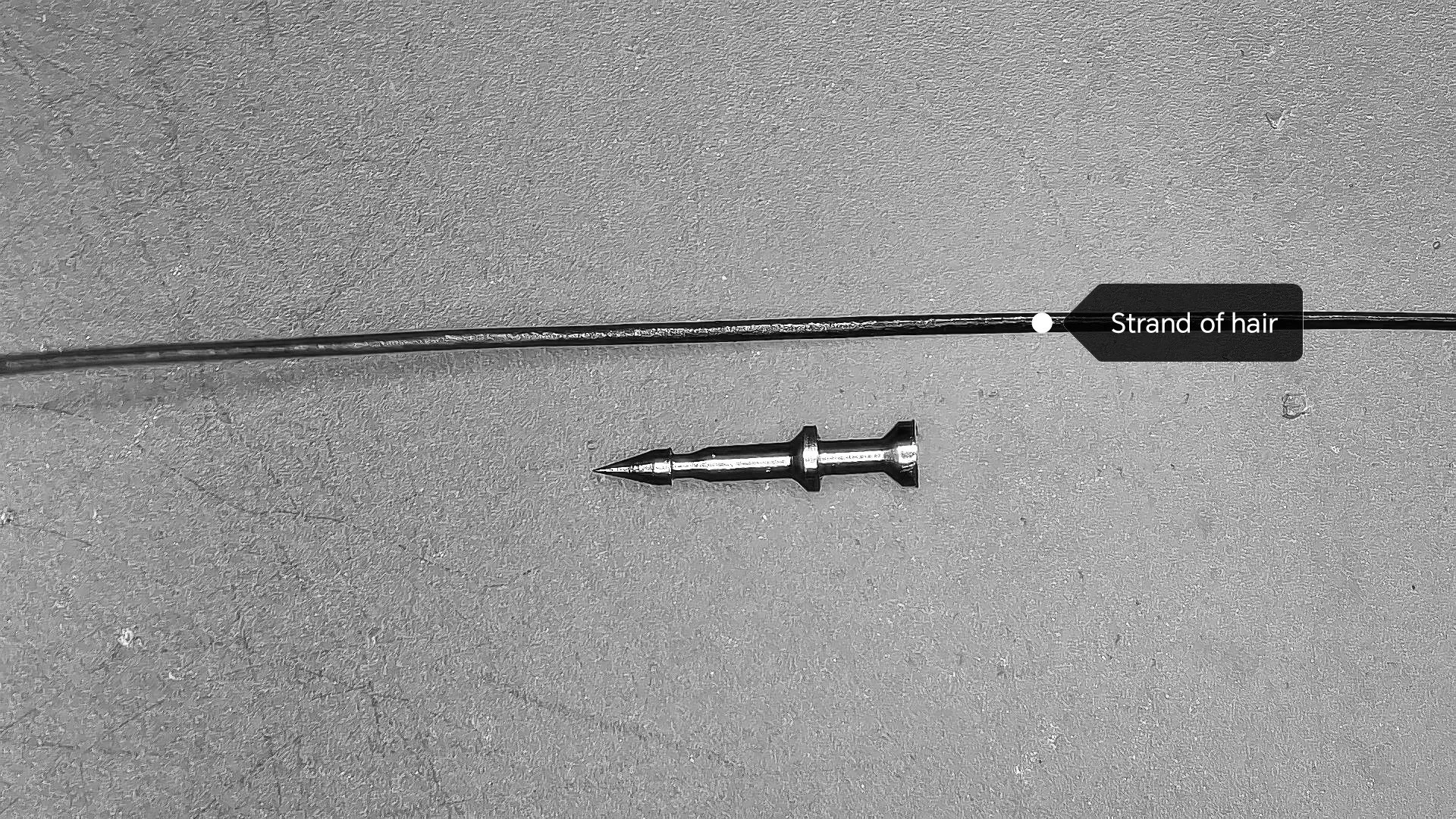
Micro Precision Parts
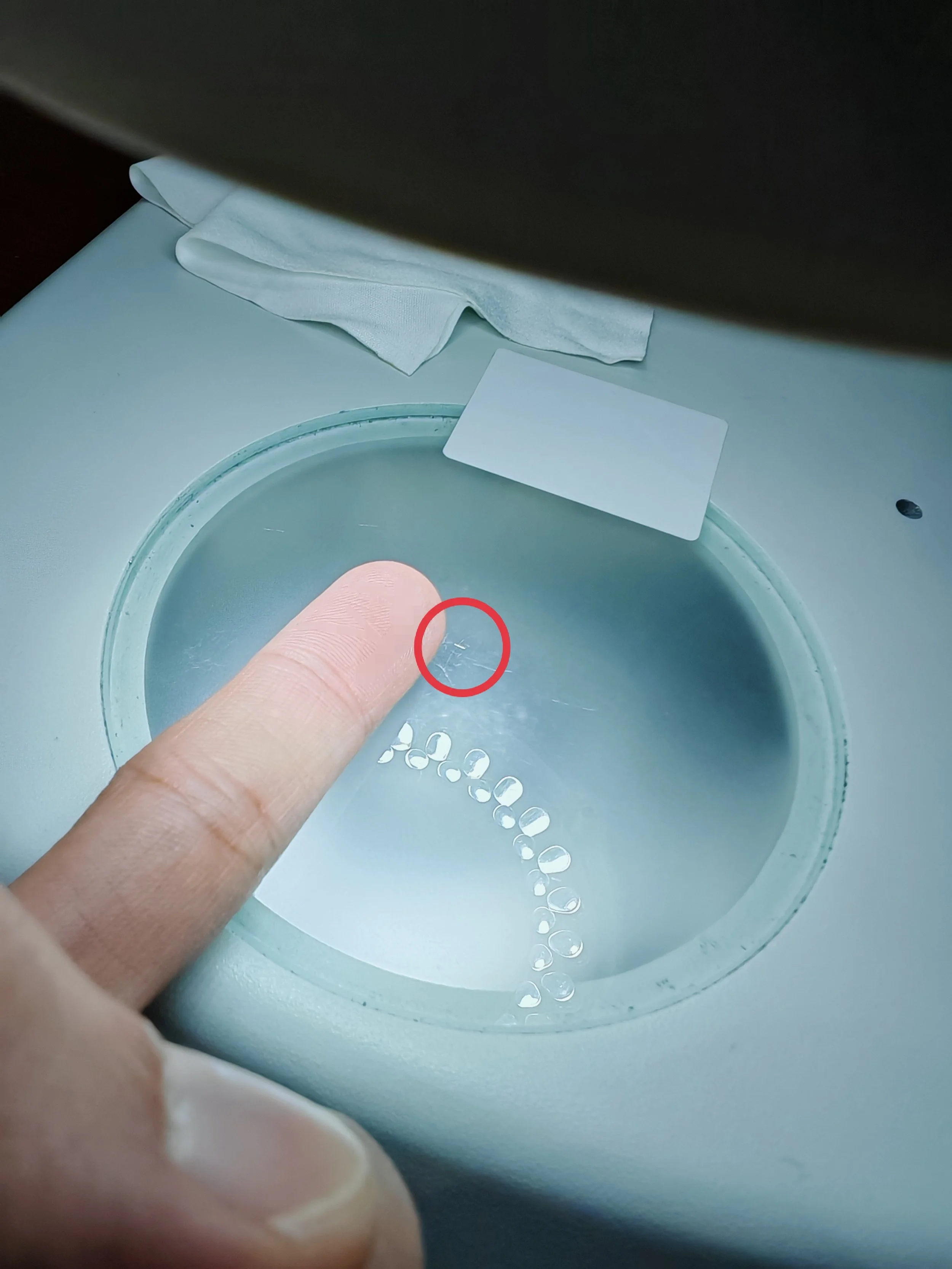
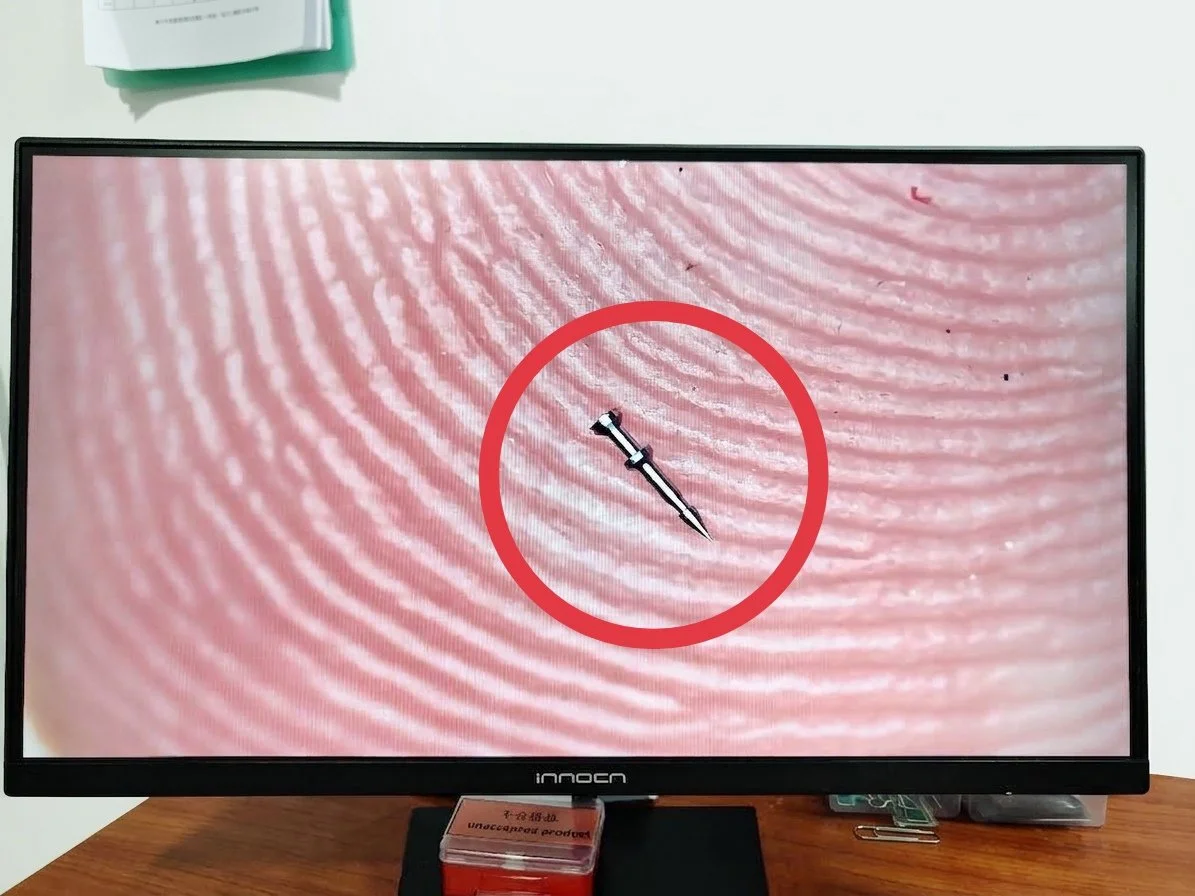
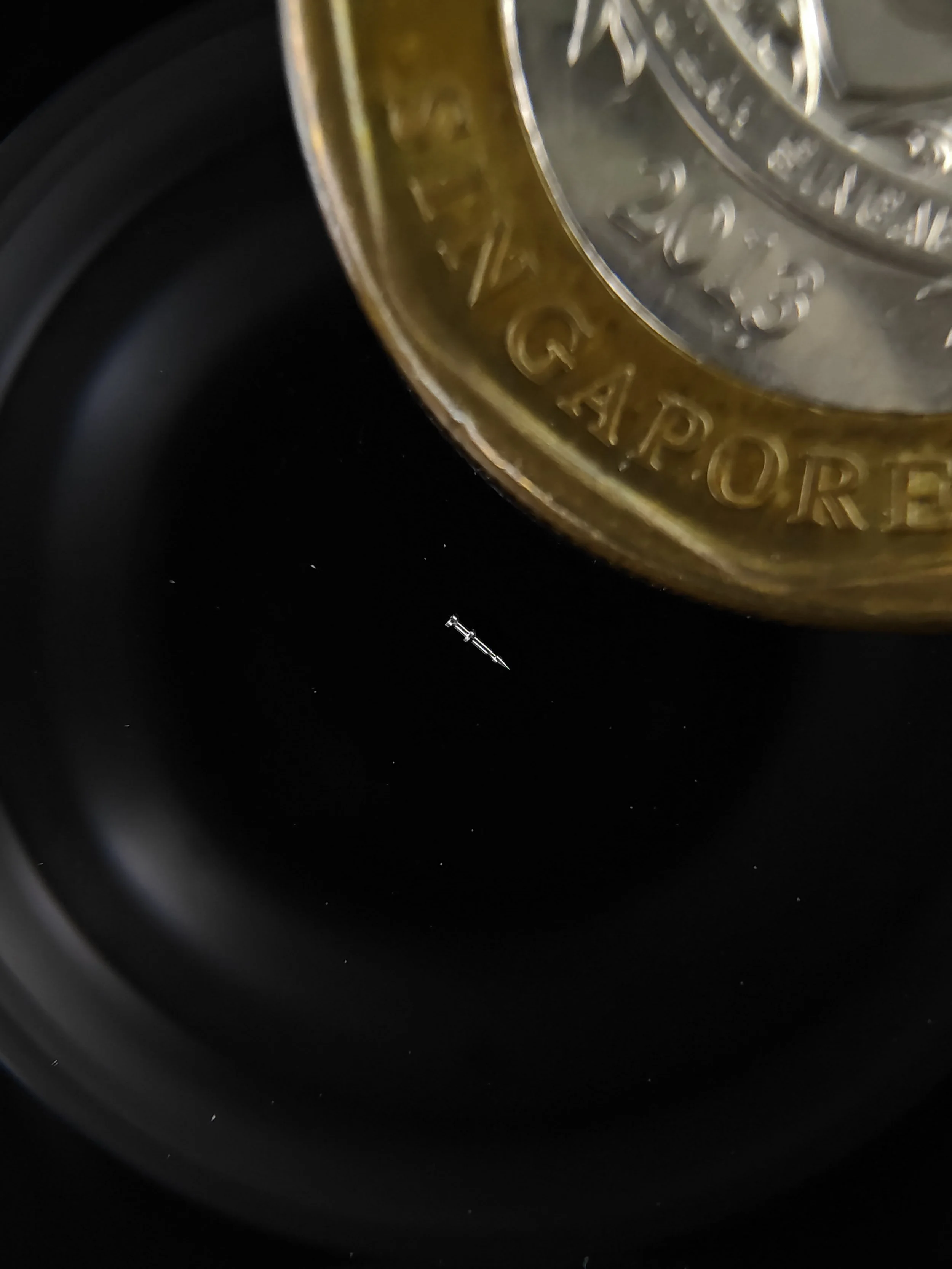
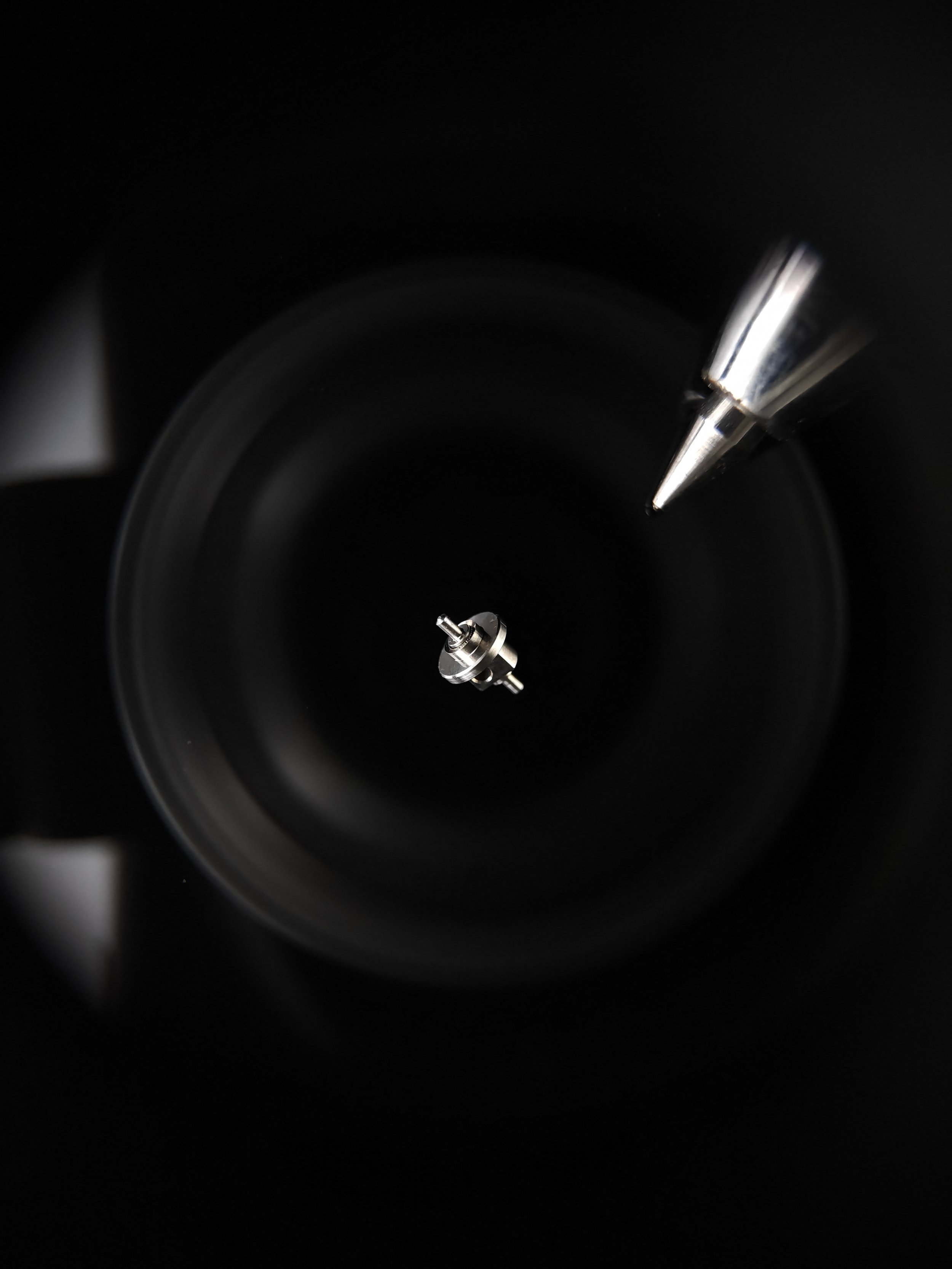
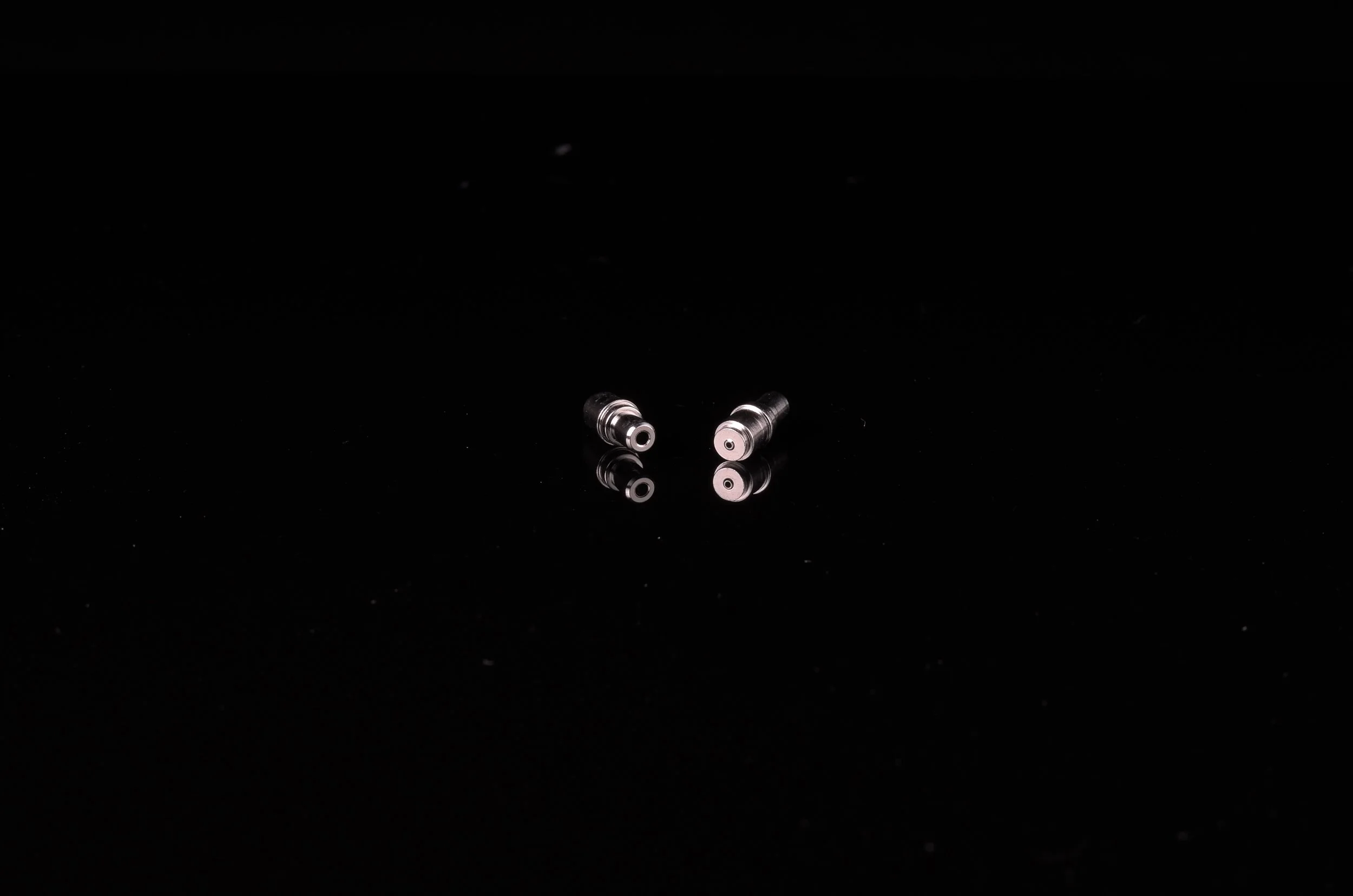
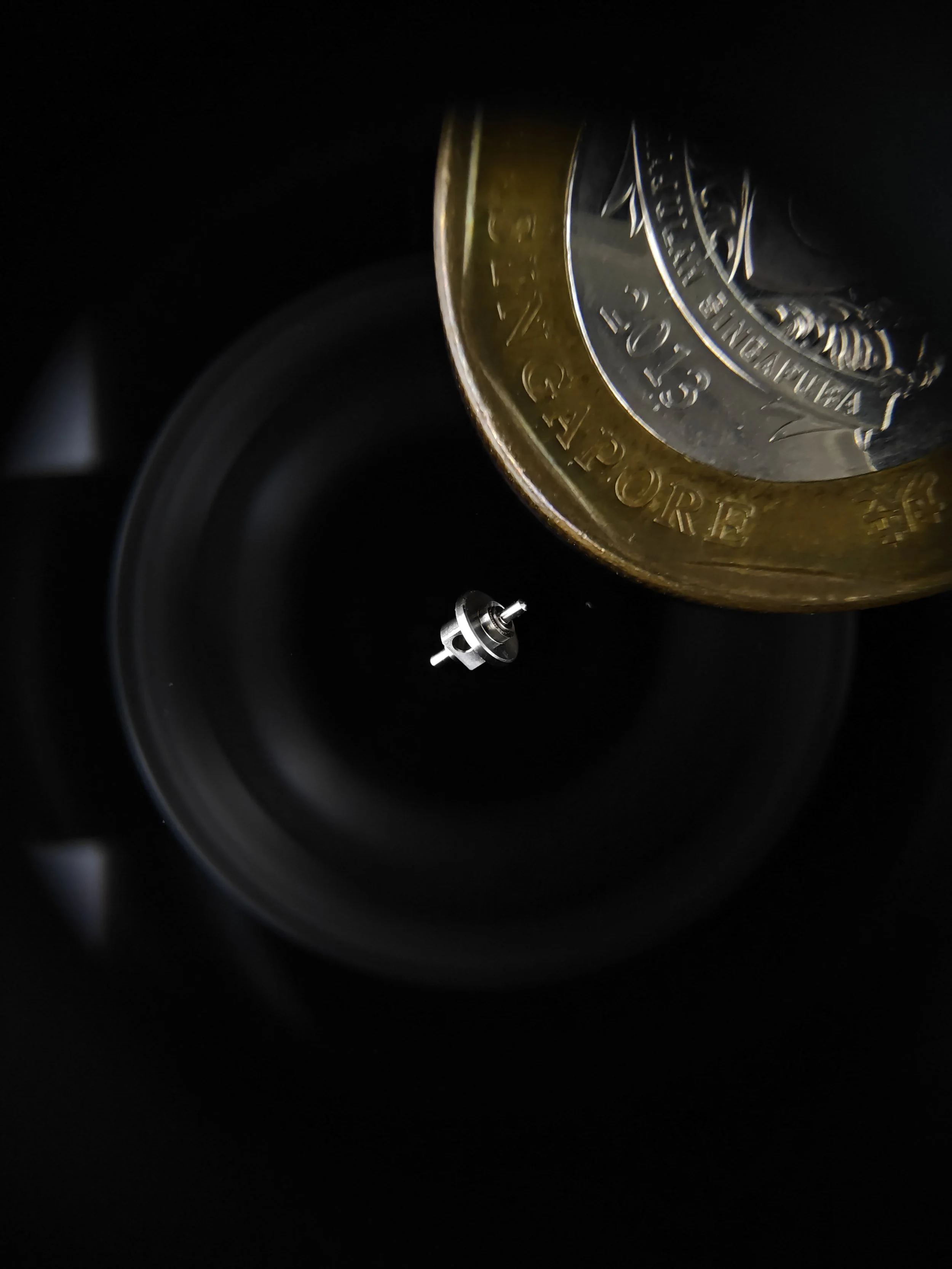
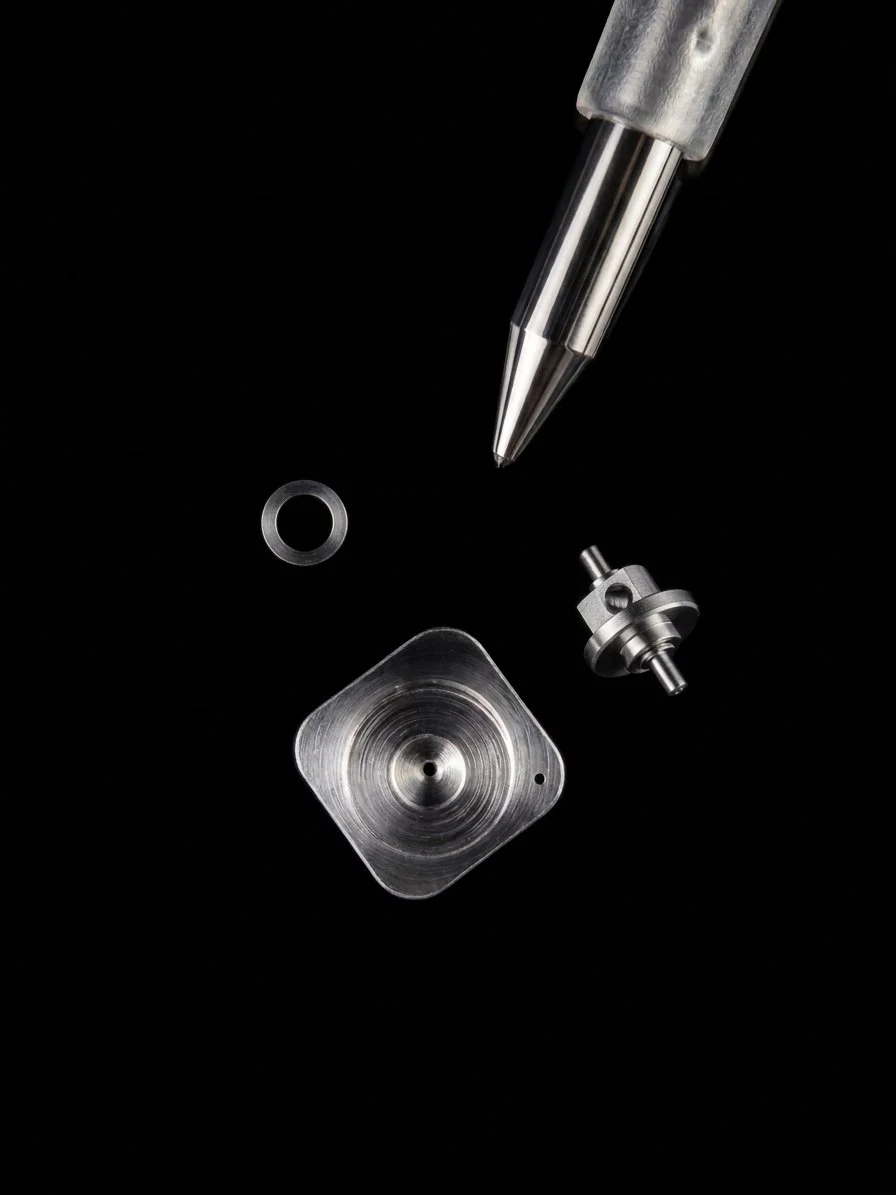
Micro-machined components down to 0.1 mm in diameter, sub-2 mm in length, and ±0.005 mm tolerances. Trusted by our medical device, sensor, and precision instrumentation clients for parts where micron-level precision must hold across thousands of cycles. Backed by the engineering support and complete accountability of a long-term manufacturing partner.
Our Capabilities
Selected disciplines behind every Micralink micro precision part. A representative but not exhaustive list.
Design

Designing micro-machined components for repeatable precision at sub-millimetre scales.
Tool Path Engineering: Optimised cutting parameters balance speed, accuracy, and tool wear at micro scales.
Material-Driven Machinability: Material selection directly affects cutting parameters and downstream processes, from chip formation to surface finish and secondary finishing. Stainless, titanium, brass, copper, and engineering plastics each require distinct approaches.
Process
Selection

We match machine choice and manufacturing process to your part's application, geometry, volume, and tolerance.
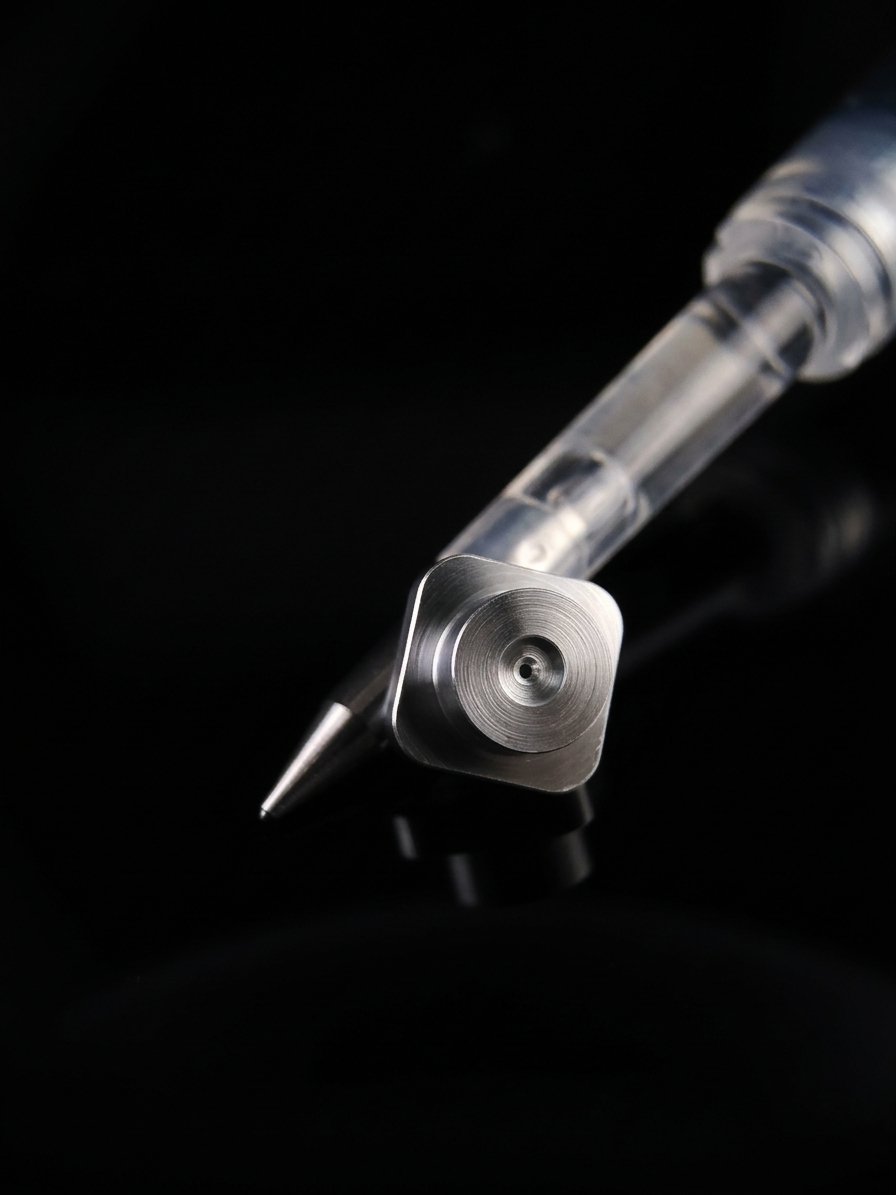
CNC Machine Capability: Sliding headstock, high-RPM spindles, and high-stability workholding for sub-2 mm micro-machining.
Precision Setup & Tool Path: Meticulous CNC setup, tool path design, and thermally stable operating conditions. Every variable (machine, tooling, stock, ambient conditions) affects final precision.
Critical Supply Chain Partners

Micro-machining precision depends on the quality of what goes into the machine and how precise and high quality our tools are.
Stock Quality: Tight metallurgical consistency and dimensional uniformity in raw stock. Variations in stock propagate into the finished part.
Tool Suppliers: Tool selection is a precision decision, not a purchasing decision. Premium-grade inserts maintain stability and edge geometry across extended runs, and lot-to-lot consistency is treated as a manufacturing variable. Variations between batches become variations between parts.
Secondary Processes

Verification at every stage, from first article to final inspection.
QC Equipment: Multisensor measurement systems verify every specification of every part against print, automatically. Pre-programmed routines run batch inspections faster and more consistently than manual methods, with accuracy many times tighter than the tolerances they verify.
QC Process: Defects caught before shipment, not after. Every inspection stage recorded with calibrated equipment and operator sign-off, supporting your quality audits and regulatory requirements.
Quality
Control

Secondary finishing brings micro-machined parts to specification
Deburring & Cleaning: Burr-free, contamination-free surfaces ready for downstream processes or final use. Manual, ultrasonic, or micro-abrasive methods chosen to match part requirements.
Surface Finishing: Passivation, electropolishing, and coating to meet corrosion, biocompatibility, or conductivity requirements.
Applications
Precision-machined micro-components enable critical functionality in medical, sensor, and instrumentation applications where standard parts cannot meet size or tolerance requirements.
Common Uses:
Medical implants and instruments: Surgical tools, implant components, and diagnostic devices
Sensor housings and components: Precision sensor bodies and internal mechanisms
Fluid handling and valves: Miniature valve components for medical and instrumentation
Connectors and contacts: Micro electronic and electromechanical connectors
Optical assemblies: Lens mounts, optical instrument components
Aerospace instrumentation: Flight-critical sensor and instrument components
Watch and instrument movements: High-precision micro-mechanisms
Industries:
Medical Devices: Surgical tools, implants, diagnostic equipment
Sensors & Instrumentation: Measurement, monitoring, and control instruments
Aerospace & Defense: Flight instrumentation, navigation components
Semiconductor & Electronics: Microelectronic connectors, sensors
Automotive: Sensor components, micro-mechanisms for ADAS systems
Research & Development: Prototype and small-batch micro-mechanisms
Micro-machining extends manufacturing capability below the limits of standard CNC, enabling parts and applications that conventional methods cannot reach.